


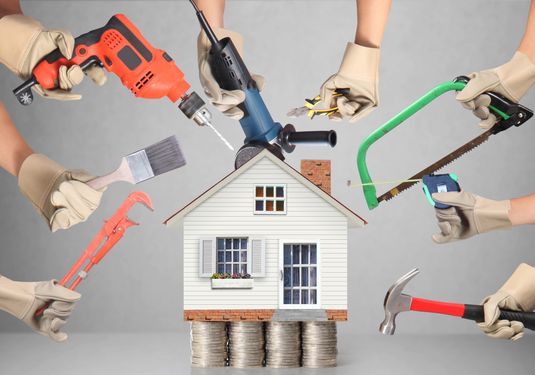

Improving your home is one of the most rewarding investments you can make. Whether you want to remodel your kitchen, modernize your bathroom, add another room, upgrade flooring, or enhance your garden area, home improvements not only boost comfort but also increase your property value. However, renovations often require significant funds, and not everyone has the savings needed to complete large projects. This is where home improvement loans become extremely useful.
In recent years, more homeowners have started using home improvement loans to manage renovation expenses in a structured and manageable way. Along with this, the popularity of a home improvement loan calculator has grown because it helps borrowers estimate monthly repayment amounts before taking the loan. Understanding these two elements together can make your renovation journey smoother, smarter, and financially stress-free.
This article explains everything about home improvement loans, how they work, types of home improvement loans, benefits, interest rates, eligibility, and the importance of using a home improvement loan calculator before applying.
✅ What Are Home Improvement Loans?
Home improvement loans are financing options specifically designed to help homeowners fund renovation, repair, and remodeling projects. These loans can cover a wide range of expenses such as:
-
Kitchen upgrades
-
Bathroom renovation
-
Flooring and roofing repairs
-
Painting and interior decor
-
Electrical and plumbing improvements
-
Room extensions
-
Landscaping and exterior enhancements
-
Energy-efficient upgrades (solar panels, insulation, etc.)
These loans allow property owners to enhance their living space without using all their savings at once. Borrowers repay the loan in monthly installments, making it easier to manage costs.
✅ Types of Home Improvement Loans
Different lenders offer a variety of options based on the borrower’s income, property value, credit score, and renovation needs. Some popular types include:
1. Unsecured Personal Loans for Home Improvement
These are the most common home improvement loans. They do not require collateral, meaning you don’t need to risk your home or property to receive funds.
Features:
-
Quick approval
-
Fixed interest rates
-
Flexible loan tenure
-
No need to mortgage property
Personal loans are ideal for small to medium-sized renovations.
2. Secured Home Improvement Loans
These loans require collateral — usually your home. Because of security, lenders offer better interest rates and higher loan amounts.
Best for:
-
Large renovation projects
-
Full home remodel
-
Structural improvements
Borrowers must be confident in their repayment ability since the property is used as security.
3. Home Equity Loans
If your home has increased in value over time, you can borrow against the equity.
Benefits:
-
Long repayment tenure
-
Lower interest compared to unsecured loans
-
Higher loan limits
This is ideal for major renovations.
4. Home Equity Line of Credit (HELOC)
A flexible loan option that allows you to withdraw funds as needed.
Suitable for:
-
Projects completed in phases
-
Long-term renovations
-
Multiple home improvements over time
HELOC works like a credit card but with significantly lower interest rates.
5. Government-Backed Home Improvement Loans
Certain regions offer special schemes for home upgrades, especially for senior citizens, energy efficiency improvements, and essential structural repairs.
These programs often have:
-
Low interest
-
Flexible repayment terms
-
Subsidies for specific categories
✅ Why Choose a Home Improvement Loan?
Home improvement loans offer several advantages:
✅ 1. No need to use savings
Renovations can be expensive, and using all your savings may put pressure on your financial stability. Loans allow you to maintain your emergency funds.
✅ 2. Increase property value
Upgraded kitchens, modern bathrooms, new flooring, or energy-efficient installations significantly raise your home’s market value.
✅ 3. Fixed monthly payments
You know exactly how much you’ll pay each month, making budgeting easier.
✅ 4. Quick approval process
Most lenders approve home improvement loans within hours or days, especially personal loans.
✅ 5. Flexible loan tenure
Borrowers can choose between short or long-term repayment plans based on their financial comfort.
✅ What Is a Home Improvement Loan Calculator?
A home improvement loan calculator is an online tool that helps borrowers estimate their:
-
Monthly repayment
-
Total interest payable
-
Total loan cost
-
Suitable loan tenure
-
Potential affordability
By entering a few details, such as loan amount, interest rate, and repayment period, users can immediately see how much they will need to pay each month.
✅ Benefits of Using a Home Improvement Loan Calculator
✅ 1. Helps plan your budget
Before applying, you can check whether the monthly payment fits your financial plan.
✅ 2. Avoids over-borrowing
It prevents borrowers from taking a loan larger than what they can comfortably repay.
✅ 3. Compare different scenarios
You can adjust:
-
amount
-
interest rate
-
tenure
And instantly see how each change affects repayment.
✅ 4. Saves time
Instead of calculating manually, the calculator gives accurate results instantly.
✅ 5. Helps you choose the best loan
You can compare different bank or lender options.
✅ How to Use a Home Improvement Loan Calculator
Using the calculator is simple and requires only three inputs:
Step 1 – Enter Loan Amount
Enter the amount you want to borrow for home renovation.
Step 2 – Enter Estimated Interest Rate
Rates vary depending on lender, credit profile, and loan type.
Step 3 – Enter Loan Tenure
Choose repayment duration — typically 1 to 7 years for unsecured loans.
After entering these details, the calculator displays:
-
EMI (monthly payment)
-
Total interest
-
Total amount payable
This gives a clear picture of your financial responsibility.
✅ Eligibility Criteria for Home Improvement Loans
Lenders review multiple factors before approving a loan:
✅ Age Limit
Usually between 21 to 65 years.
✅ Income Requirements
Borrower must show stable and sufficient income.
✅ Employment Status
Both salaried and self-employed individuals are eligible.
✅ Credit Score
Higher credit scores help secure better rates.
✅ Property Ownership Proof
Required for secured options.
✅ Interest Rates for Home Improvement Loans
Interest rates depend on:
-
Type of loan
-
Credit score
-
Income level
-
Loan amount
-
Market conditions
-
Lender policies
Unsecured loans have slightly higher rates, while secured loans and home equity loans offer competitive pricing.
✅ Tips for Getting the Best Home Improvement Loan
✅ Improve your credit score
Higher scores lead to lower interest rates.
✅ Compare lenders
Check multiple banks, credit unions, and financial institutions.
✅ Use a home improvement loan calculator
Understand your repayment capacity before applying.
✅ Choose the right tenure
Shorter tenure means higher monthly payments but lower total interest.
✅ Borrow only what you need
Avoid unnecessary financial burden.
✅ Common Home Improvement Projects People Finance
1. Kitchen Renovation
Cabinets, countertops, flooring, and appliances.
2. Bathroom Upgrade
New tiles, plumbing fixtures, shower fittings.
3. Roof and Flooring Repairs
Essential for safety and long-term durability.
4. Exterior Renovation
Painting, fencing, landscaping.
5. Adding New Rooms
Growing families often need additional space.
6. Energy Efficiency Projects
Solar panels, insulation, heat pumps.
✅ Home Improvement Loan vs Other Funding Options
1. Credit Cards
Convenient but often high interest.
2. Savings
Good for small upgrades but not ideal for large renovations.
3. Contractor Financing
Available but may have higher interest.
4. Home Equity Options
Suitable for large projects.
Home improvement loans provide the best balance of affordability, quick access, and flexibility.
✅ Is a Home Improvement Loan Worth It?
Yes — especially when renovations significantly increase comfort, safety, and home value. Whether you are planning a small upgrade or a complete renovation, these loans help manage expenses while keeping your financial stability intact.
Using a home improvement loan calculator ensures you make the right borrowing decisions and choose a loan that fits your budget.
✅ Conclusion
Home improvement loans are an excellent way to upgrade your home without putting pressure on your savings. By understanding loan types, interest rates, and eligibility, you can make informed decisions. A home improvement loan calculator helps plan repayments clearly, avoid financial stress, and choose the perfect loan based on your needs.