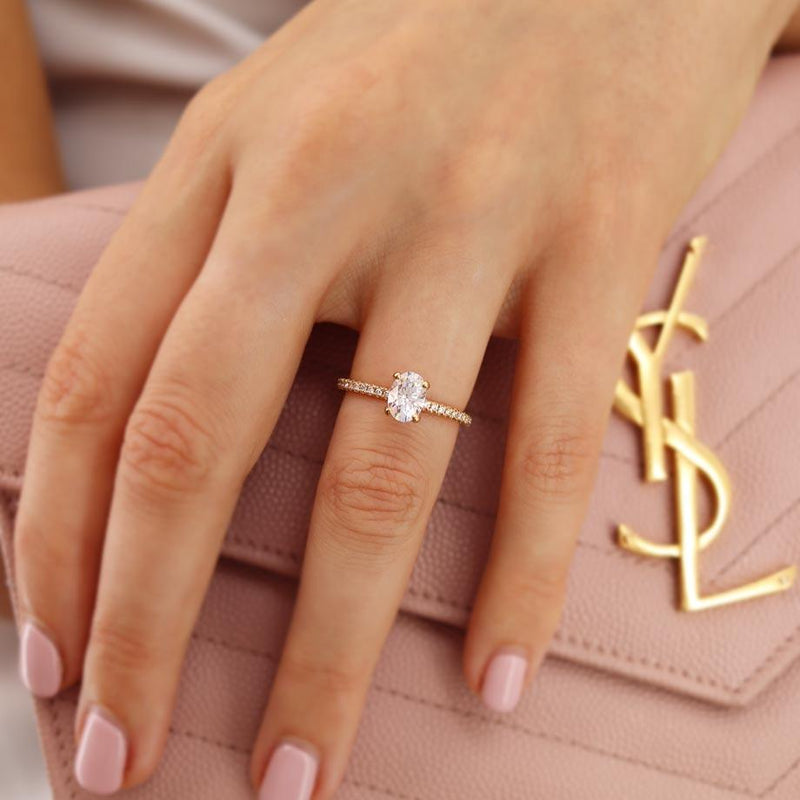




Symbolism in design has long been a way to infuse meaning into everyday objects, and this remains especially powerful within the world of accessories. Whether subtle or bold, symbolic elements help transform personal items into visual stories that reflect the wearer’s values, experiences, or aspirations. Brands such as lily arkwright demonstrate how thoughtfully crafted pieces can capture both beauty and sentiment, creating accessories that speak to the individual rather than serving as mere decoration.
At its core, symbolism gives accessories a narrative quality. Instead of simply wearing something because it looks appealing, people choose items that resonate on a deeper level. A pendant shaped like a star might reflect guidance or ambition, while a ring featuring natural elements could symbolize growth or connection to the earth. These visual cues allow individuals to communicate pieces of their identity without speaking, adding a richer dimension to the act of accessorizing. When symbolism is integrated thoughtfully, the accessory becomes a reflection of the wearer’s inner world, helping them feel grounded in their values.
Another significant aspect of symbolic design is its ability to honor personal milestones and memories. Many people turn to accessories to commemorate meaningful chapters in their lives. A motif that represents love, commitment, or resilience can serve as a gentle reminder of a particular journey or relationship. This creates an emotional bond with the piece that lasts far beyond the moment of purchase. Accessories infused with symbolism can evolve into cherished keepsakes, passed down or treasured because they carry stories that might otherwise be forgotten.
Symbolism also plays a role in cultural and spiritual expression. Certain shapes, patterns, or materials may hold longstanding significance within a tradition or belief system. When incorporated into accessory design, these elements help individuals maintain a sense of identity and belonging. They can subtly celebrate heritage or convey personal philosophies that guide daily life. Designers who understand the cultural roots of symbolic motifs can create pieces that feel both respectful and deeply meaningful, allowing wearers to carry a part of their history with them.
On a more contemporary level, symbolism in accessories often aligns with personal intentions or goals. Many modern consumers gravitate toward designs that inspire strength, clarity, or creativity. These symbols act as daily affirmations, reinforcing the themes people want to cultivate in their lives. A bracelet engraved with a pattern associated with courage or a necklace arranged in a harmony symbol can encourage the wearer through challenges or transitions. The accessory becomes a functional reminder of inner resilience and purpose.
Designers benefit from working with symbolism because it encourages more thoughtful creation. When crafting a piece meant to carry meaning, designers consider shape, proportion, material, and craftsmanship more intentionally. This deepens the connection between artist and wearer, turning the accessory into a shared expression rather than a purely aesthetic object. Meaning driven design often results in pieces that remain timeless, as symbols rooted in human experience tend to endure across trends.
Ultimately, symbolism enriches accessories by adding layers of personal depth that transcend surface beauty. When someone chooses an item with symbolic significance, it becomes more than an object. It becomes a companion, a reminder, or a quiet declaration of identity. Through this unique blend of artistry and meaning, symbolic design ensures that accessories are not only worn but felt, making them far more powerful and personal for the wearer.